
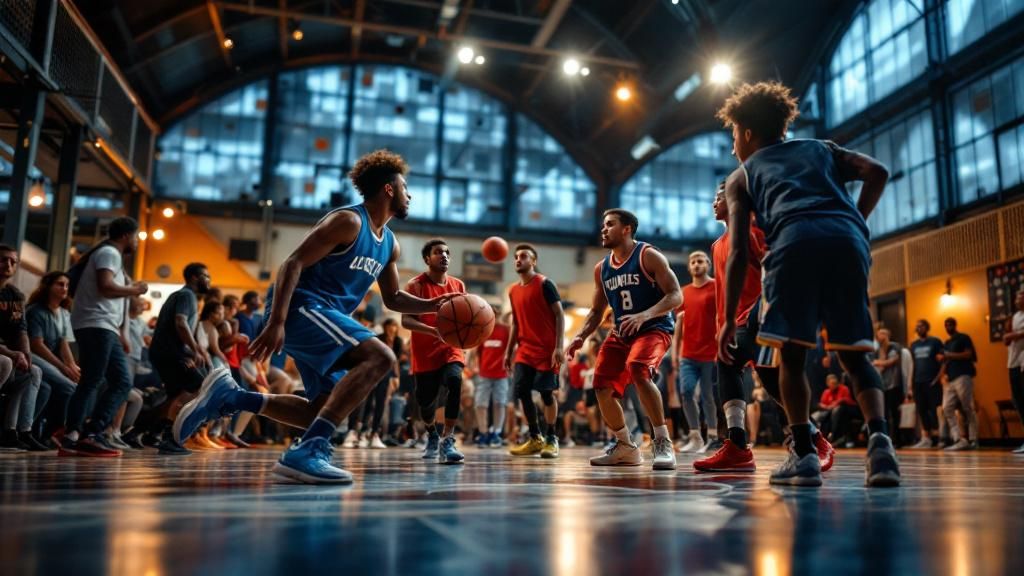
Basketball is reshaping communities throughout Britain’s major cities, with programmes for young people delivering transformative opportunities for vast numbers of young people. From Manchester to London, innovative coaching initiatives are nurturing sporting ability but also building community bonds, enhancing mental health, and creating vital pathways out of disadvantage. This article explores how basketball organisations are tapping into the sport’s international popularity to create stronger and more resilient communities, whilst providing the next generation with crucial life skills in all aspects of life.
Establishing Strong Bases in City Communities
Urban communities across Britain are undergoing a remarkable transformation through carefully planned youth basketball programmes. These initiatives recognise that young people in densely populated areas often lack access to quality sports facilities and professional mentorship. By creating basketball courts in community centers, schools, and public areas, organisations are creating inclusive environments where talent can flourish regardless of economic circumstances. The programmes prioritise accessibility, ensuring that cost is no barrier to participation and that every young person receives equal opportunity to develop their skills and potential.
The foundations laid by these programmes reach well beyond athletic development. Coaches and mentors work closely with participants to instil discipline, teamwork, and resilience—qualities that prove crucial in everyday life. Basketball serves as a powerful vehicle for building confidence in young people who may have once felt marginalised or overlooked. Through organised training programmes, competitive fixtures, and strong community support, participants build a sense of belonging and purpose. These initial programmes create lasting positive impacts, steering young people towards healthier lifestyles and away from destructive behaviours.
Community engagement continues to be central to programme success across significant UK urban centres. Local organisations collaborate with schools, youth services, and family support networks to identify and nurture emerging talent. This holistic approach ensures that basketball development programmes form a key part of neighbourhood infrastructure rather than separate schemes. Parents and guardians are actively involved in their children’s sporting journeys, fostering family participation and strengthening community bonds. The programmes demonstrate that supporting youth basketball creates positive impacts throughout entire communities, boosting social connection and collective wellbeing.
Evidence from cities taking part reveals significant positive outcomes for young people involved. Beyond improved physical fitness and athletic performance, participants report increased academic involvement, increased self-esteem, and deeper social bonds. The programmes successfully bridge demographic divides, uniting young people from varied communities connected through their passion for basketball. This inclusivity cultivates mutual respect and understanding, breaking down social obstacles that often characterise urban environments. By creating these shared spaces and experiences, basketball programmes become significant forces for constructive social transformation within Britain’s cities.
Success and Impact Across the UK
Youth basketball initiatives have delivered outstanding outcomes across Britain’s major urban centres, changing young people’s lives and strengthening community bonds. Participation numbers have surged significantly, with thousands of young people engaging in structured coaching and organised competition. Beyond athletic development, these schemes have demonstrated measurable improvements in educational attainment, emotional health, and community participation. Local communities indicate improved social cohesion and lower levels of problematic behaviour amongst those involved, confirming the wide-ranging positive effects of ongoing basketball participation.
The Inner City Initiative
The London Basketball Development Project has positioned itself as a key programme, serving multiple boroughs with dedicated attention on underserved communities. Since its launch, the initiative has reached 3,000 young participants, offering no-cost instruction, equipment, and mentoring support. The programme’s achievements derive from its comprehensive approach, merging academic support with physical development and developing clear pathways for skilled athletes towards professional advancement and university scholarships.
Evaluations show that participating youth display significantly improved attendance records and academic performance compared to non-participants. Many young people attribute success to the programme in delivering constructive examples and alternative activities to street-based influences. Community schools and youth organisations highlight strengthened partnerships, enabling better resource coordination and improved support structures for young people in need across London’s inner city.
Manchester and Birmingham Growth
Manchester’s basketball revival has been propelled by committed local groups creating local programmes in disadvantaged areas. The growth approach emphasises inclusivity, running several locations and running activities at varied times to accommodate diverse family circumstances. Over two years, the programme has recruited 2,500 regular participants, with notable achievement reaching female participants historically absent in formal sporting programmes within these communities.
Birmingham’s concurrent development mirrors Manchester’s accomplishments, with recently built basketball centres becoming essential community hubs. These schemes have successfully established job prospects for grassroots coaches and auxiliary staff, generating economic benefits alongside social benefits. Both cities show consistent participant retention rates exceeding 80%, demonstrating real local enthusiasm and the initiatives’ success in tackling local requirements through accessible, culturally relevant young person engagement strategies.
Upcoming Expansion and Prospects
The pathway of youth basketball development programmes throughout British cities seems exceptionally promising, with substantial investment and growing community engagement creating remarkable progress. Local councils, private backers, and community groups are collaborating to increase facilities, build coaching provision, and develop sustainable finance frameworks. As these programmes progress and show clear social benefits, stakeholders are growing more committed to scaling successful initiatives, ensuring that basketball keeps changing lives in disadvantaged areas nationwide.
Looking ahead, multiple strategic priorities will direct the sector’s evolution and effectiveness. Improved working relationships between schools, universities, and professional clubs will create smooth progression routes whilst reinforcing community bonds. Digital innovation, improved accessibility for disabled participants, and culturally responsive initiatives offer new possibilities. Furthermore, investigative studies recording long-term outcomes will enhance evidence frameworks, attracting further funding and policy backing for basketball’s essential part in youth development and social regeneration across Britain.
- Enhancement of indoor and outdoor basketball facilities in underserved neighbourhoods
- Development of coaching bursaries for talented aspiring basketball talent
- Building of university-community partnerships strengthening talent pathways substantially
- Incorporation of psychological support throughout existing basketball development structures
- Implementation of inclusive initiatives for disabled and underrepresented young participants
